The two most popular flooring choices we fit are carpet and LVT. They suit different rooms and different lifestyles. Here's how they compare across every factor that matters.
Side-by-Side Comparison
| Factor | Carpet | LVT |
|---|---|---|
| Warmth underfoot | Warmer | Cooler (unless heated) |
| Waterproof | No | Yes |
| Durability | 7–10 years | 15–20 years |
| Cleaning | Vacuuming only | Mop and go |
| Cost (supply + fit) | Lower | Higher |
| Noise reduction | Better | Less |
| Pets | Not ideal | Better |
| Children | Softer to fall on | Easier to clean |
| Allergies | Traps dust | Better |
The table shows the trade-off clearly. Carpet wins on comfort: it is warmer underfoot, softer to sit and play on, and it absorbs sound, so footsteps and voices carry less between rooms and floors. LVT wins on practicality: it is waterproof, it wipes clean with a damp mop, and a good-quality product lasts roughly twice as long as a typical carpet before it needs replacing.
Neither floor is better in every room, which is why we rarely recommend one material for a whole house. The right answer depends on how each room is used — who walks on it, whether it gets wet, whether pets live there and how much cleaning you want to do. When we quote, we look at each room separately and tell you honestly where carpet or LVT will serve you better.
When to Choose Carpet
Carpet is still our first suggestion for bedrooms. It is warm to step on first thing in the morning, quiet at night and comfortable to kneel or sit on. In older Birmingham homes with draughty suspended timber floors, carpet on a good underlay also makes living rooms cosier, because it adds a layer of insulation that a hard floor does not.
Stairs are another strong case for carpet. A carpeted staircase is quieter, and the pile gives a softer, more secure grip underfoot than a hard surface, which matters with young children or older relatives in the house. Carpet is also the budget-conscious choice for a full house refurbishment — the lower supply cost across several bedrooms, the landing and the stairs adds up to a real saving.
When to Choose LVT
LVT belongs anywhere water and mess are part of daily life. Kitchens, bathrooms and hallways all see spills, wet shoes and heavy foot traffic, and LVT copes with all of it without staining or swelling. It is also our usual recommendation for open-plan living and kitchen areas, because one continuous waterproof floor can run from the cooking zone straight through to the sofa.
Pet owners and landlords tend to choose LVT for the same reasons: it does not hold on to hair, accidents wipe straight up, and it is quick to clean between tenancies. And if you simply hate hoovering, LVT is the answer — a sweep and a damp mop is all it needs. Quality LVT also gives you the look of real wood or stone without the upkeep.
Can You Mix Carpet and LVT?
Yes — and most homes we fit end up with both. The most common combination is LVT downstairs, through the hallway, kitchen and living areas, with carpet upstairs in the bedrooms, on the landing and on the stairs. You get a practical, easy-clean floor where the household spends its day and warm, quiet comfort where everyone sleeps.
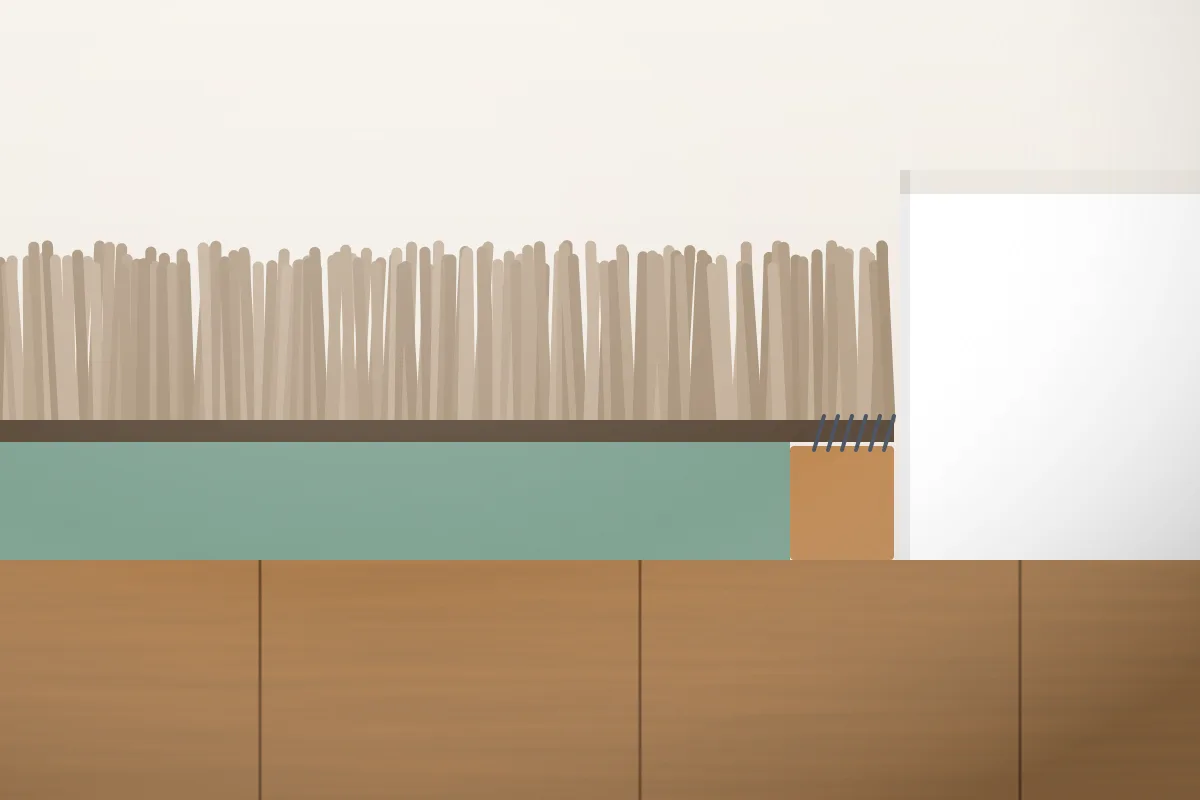
Where carpet meets LVT, usually in a doorway, we fit a transition strip to make a neat, safe join. The strip covers the edge of both floors, stops the carpet from fraying and takes up any small difference in height between the two. Planning where these joins fall is part of our quote, so the finished floors line up cleanly with your doors.
Cost Comparison
Carpet usually has the lower supply cost per square metre, so it is normally the cheaper floor on day one. LVT costs more to buy, and premium brands with thicker wear layers cost more again. As a labour-only fitter, FitFloors quotes for the fitting, so you can compare material prices from any retailer before you decide.
The picture changes over time. Good-quality LVT lasts 15–20 years, roughly twice as long as a typical carpet, so over 15 years you would usually replace a carpet at least once while the LVT is still going strong. Once you count that second carpet and its fitting, LVT usually works out cheaper in the long run. For a free quote on either floor, send us a WhatsApp message.